👋 Welcome
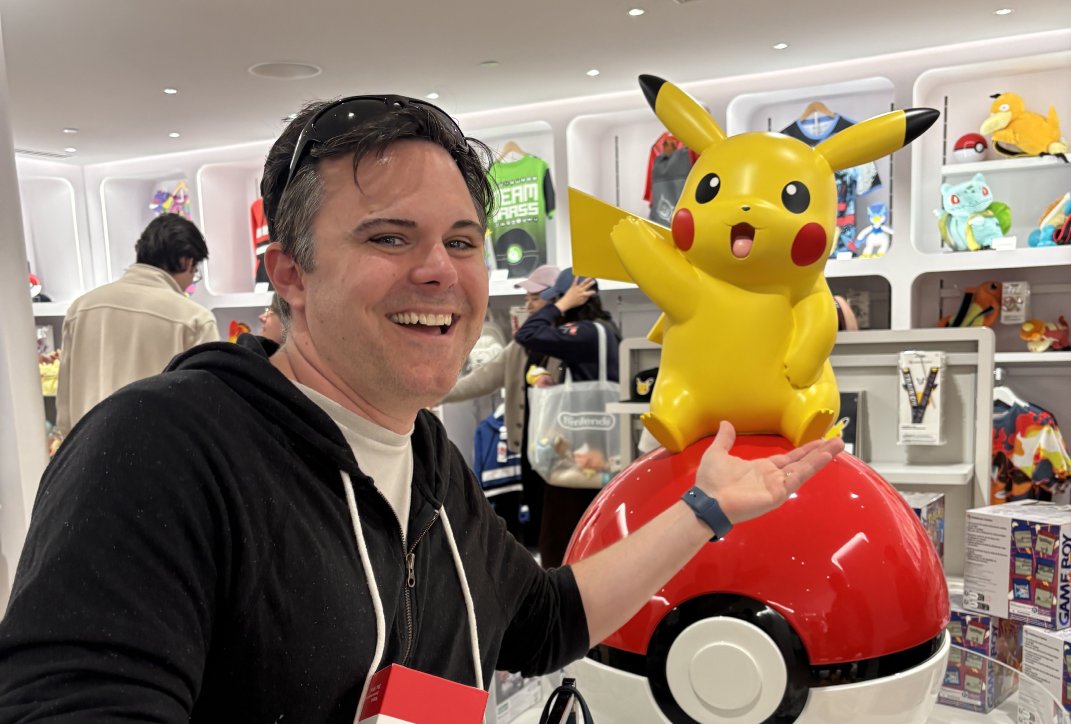
Dear Students,
Welcome to PSYCH-C1000: Introduction to Psychology! I'm Dr. Ross Avilla, your instructor for this course. This syllabus will help you get started and answer many of the questions you'll have along the way — please refer to it often, and don't hesitate to reach out if I can be of help. I would love to hear from you.
This is a subject that is not only fascinating but also deeply relevant to your everyday life. Approach it with curiosity, an open mind, and respect for one another, and you'll get a great deal out of our time together.
Let's begin our journey into the study of psychology!
— Dr. Avilla
💡 Random Psychology Fact
Here is a fun psychology fact just for you! We'll be discussing this psychology fact and many others in our class.
One statement, true or false — we play this together in class, so hang on to your answer until I give you the magic word.
📖 About This Course
Course Description. PSYCH-C1000 is a survey of the scientific study of behavior and mental processes, exploring the mind and human experience from many angles: biological, cognitive, developmental, social, and clinical. This subject is not only fascinating but also highly relevant to our everyday lives. In this class we'll explore questions such as: How does the brain shape who we are and how we behave? How do we sense, perceive, learn, and remember the world around us? Why do we think, feel, and act the way we do? How do people grow and change across the lifespan? What makes each of us different in personality, intelligence, and motivation? And how do psychologists understand stress, mental health, and what it means to live well?
Required Materials. This course uses Introduction to Psychology, 2nd Edition by Altman et al., delivered through the Top Hat platform. Top Hat is where you will find the textbook, where we will run in-class polls, discussions, and practice questions, and where attendance and participation are recorded. There is no separate print or PDF textbook to buy, and no separate clicker device to purchase.
Cost: $89. This single price covers both the textbook and full access to the Top Hat platform for the term. You will not be charged a second platform fee on top of it.
How to purchase (read this before you spend any money). Do not buy the textbook or a Top Hat subscription on your own from the Top Hat website or catalog. Purchasing outside of our course can leave you with the wrong product and paying twice. Instead, follow these steps:
- Go to app.tophat.com and create an account, or log in if you already have one.
- Join our course using join code 504652. You can also use this direct link: app.tophat.com/e/504652
- Once you are enrolled in the course, you will be prompted to pay. At that point the textbook is bundled into your purchase automatically.
If you already have an active Top Hat subscription from another course, enter our join code first and see what the system tells you before purchasing anything else. If you have an access code from the campus bookstore, redeem it after you have joined the course rather than before.
Financial hardship. Top Hat offers a 2-week free trial for the textbook and online platform, so you can take advantage of that if you don't have money to purchase it right away. If the cost of course materials is a barrier for you, contact me directly and privately (AvillaR@yosemite.edu). For a small number of students who really need it, I may be able to get the book purchased on your behalf from a grant or private donor. I want to make this material available to all, given that it's important for your success in the class.
Technical problems. For issues with payment, login, or account access, contact Top Hat Support directly at support@tophat.com or 1-888-663-5491. They can resolve billing and account problems much faster than I can. For questions about what is assigned or when it is due, ask me.
Grading. Your final grade is based on three weighted categories:
| Component | Weight | Notes |
|---|---|---|
| Exams | 50% | • 5 exams × 100 pts each • Take 5 exams and drop the lowest scoring one • Makeup exam offered during last day for those who miss an exam • All exams are non-cumulative • Content drawn equally from lectures and textbook |
| Participation | 30% | • Based on participation in class discussions and activities, as well as demeanor (being polite and engaged) • You may miss up to 5 class days without penalty |
| Homework | 20% | • Various Canvas assignments due each week — check Canvas regularly |
Grading Scale. Final grades are rounded up from .5 or above (e.g., 89.5% → 90% → A).
| Percentage | Grade |
|---|---|
| 90 – 100% | A |
| 80 – 89% | B |
| 70 – 79% | C |
| 60 – 69% | D |
| 0 – 59% | F |
To contest a grade, you must meet with Dr. Avilla during office hours or a scheduled appointment within 2 weeks of the assignment or exam being returned.
Late Work Policy. If you need extra time on an assignment, please contact Dr. Avilla before the due date to discuss an extension. Requests made after a deadline has passed are much less likely to be approved. Life happens — just communicate early.
Attendance & Participation. Attendance to every class is expected — this is an interactive, highly participatory course, and 30% of your final grade depends on class participation. Participation means being fully engaged, not just present — your involvement in class discussions and activities, as well as your demeanor (being polite and engaged), all count. You may miss up to 5 class days without penalty.
Academic Integrity. All instances of cheating — including suspicion of cheating — may result in a grade deduction or being dropped from the course, and will be reported to the Office of Student Conduct. This includes obtaining participation or activity points when not in class, and using unauthorized materials during exams (notes, phones, smart watches, etc.). You can find the MJC Student Conduct code on the college website.
AI Policy. You may use AI tools (e.g., ChatGPT) to help brainstorm or generate ideas. However, AI-generated material may be inaccurate or incomplete, and over-reliance can stifle your own thinking. You may not submit AI-generated work as your own. Any AI-generated content must be cited, with appropriate consideration for the quality of that source. Violations are subject to the academic integrity policy above.
Classroom Conduct. I strive to create an engaging, inclusive space where students feel comfortable sharing ideas and questions. Students are expected to maintain dignity and mutual respect at all times. Disruptive behavior — including talking over others, arriving late repeatedly, using phones inappropriately, or displaying disrespect — may result in being asked to leave and/or disciplinary action. Children under 18 who are not enrolled may not attend class without prior written permission from Dr. Avilla.
Accessibility & Accommodations. Students with disabilities who require academic accommodations should contact MJC's Disability Support Programs & Services (DSPS) office. Once accommodations are established, please provide Dr. Avilla with your accommodation letter as early in the semester as possible so we can work together effectively. Visit mjc.edu/dsp for more information.
🌟 Tips for Success
- Check Canvas at the start of each week to view upcoming assignments and due dates; then, plan your study schedule for the week.
- Plan to log in to our Canvas course 3–4 times during the week.
- Read every page of each Canvas module rather than simply jumping to assignments via the "To Do" list. Otherwise, you will miss important information that will help you succeed.
- Check your MJC email daily for course announcements and updates.
- Ask questions. Reach out for help. Take advantage of resources (e.g., tutoring). Be an advocate for your own learning journey.
- Stay in touch with me and your classmates. Research indicates that connection is a key to success in college courses.
🎯 Know Your Professor
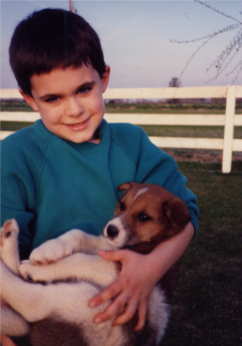
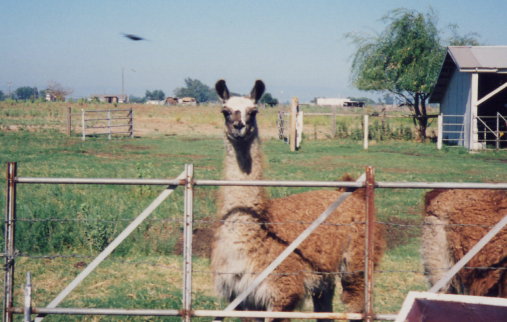
Before we dive in, let's get to know each other! Below are several statements about your professor — some are true, some are false. Select True or False for each one to find out!


❓ Have a Question?
To Contact Me
You can always email me at AvillaR@yosemite.edu or message me through Canvas. When emailing me, make sure to…
- Include your full name (especially if emailing me from a non-MJC account)
- Include what class you're in (I teach multiple classes!)
- Use full sentences and clear language.
I will typically respond to you within a single business day (note, this doesn't include weekends). If you don't hear back from me within that time, please reach out again. I'm here to help!
🧰 Support for You
College is about more than coursework. If you ever need help — academic, technical, financial, or personal — these MJC resources are here for you.
| Resource | What it offers | Link |
|---|---|---|
| Canvas Student Help | MJC Tech and Canvas Support, 24/7 Canvas Support, and MJC Zoom Support. | Canvas Support |
| Accommodations & Support Center (ASC) | Committed to ensuring digital accessibility and academic accommodations for people with disabilities. | mjc.edu/asc |
| Counseling | Timely, useful support services and quality information to help you realize your educational, career, and personal goals. | mjc.edu/counseling |
| Tutoring Center | Peer tutors in a wide variety of subjects, from writing to math, in person or online. Appointments are required except for Math tutoring. | libguides.mjc.edu/tutoring |
| Basic Needs Program | On- and off-campus food resources, CalFresh application assistance, personal care, hygiene, and clothing. | mjc.edu/basicneeds |
| Financial Aid | Quality support guiding you through the whole financial aid process — efficiently, friendly, and to full completion. | mjc.edu/financialaid |
| Veteran's Resource Center (VRC) | Liaison between veterans (or their dependents) and the Department of Veterans Affairs, with services to support your educational goals. | mjc.edu/veterans |
| Health Services | In-person and remote physical and mental health services by appointment; walk-ins welcome. | mjc.edu/health |